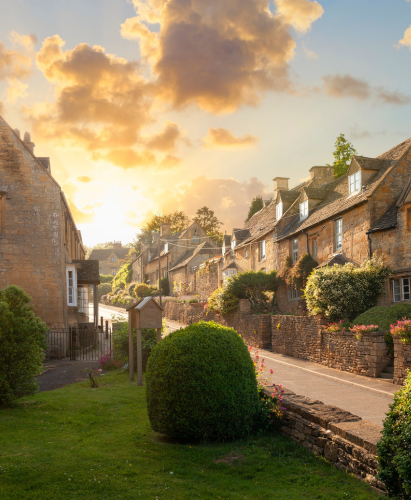
Things to Do in the Cotswolds
The Cotswolds is England's largest Area of Outstanding Natural Beauty (AONB). 787 square miles of honey-coloured limestone villages, rolling hills and market towns which have barely changed for centuries. It's a quintessentially English area, and if you've spent most of your life in a city, it feels like a real time warp to experience.
Being so large, there are plenty of things to do in the Cotswolds, from historic castle grounds and Roman market towns to farm shops and walking trails, with some outstanding country pubs along the way. So if you're planning a visit, we hope you find some inspiration from our list of favourite things to do.
Explore the Cotswolds - Our Pick of the 10 Best Things to Do
1. Walk the Cotswold Way (or a section of it)
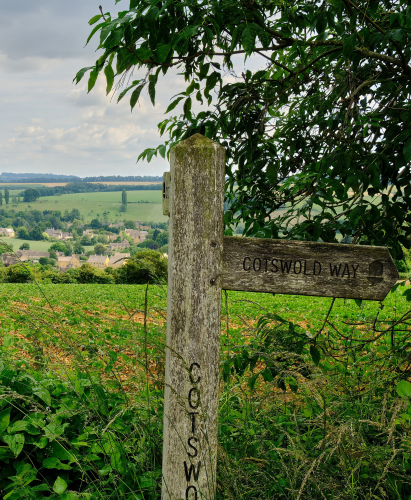
The Cotswold Way is a 102-mile designated National Trail which spans from Chipping Campden all the way to Bath. Avid through-hikers will enjoy the thought of walking the entire Cotswold Way, but for holidaymakers and weekend tourists, there are a selection of accessible segments which can be conquered in a day, so it's a perfect excuse to bring your walking boots. We'd recommend a visit to Fish Hill (near Broadway), Cleeve Hill (more on that later) or Painswick.
Read More: Most Popular Long Distance Walks in the UK
2. Discover Bourton-on-the-Water
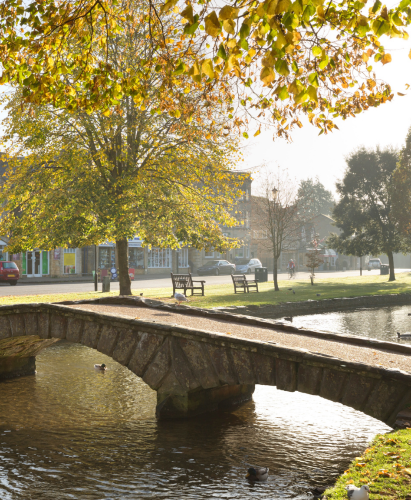
Bourton-on-the-Water is one of the most-visited villages in the Cotswolds, and it's frequently dubbed the "Venice of the Cotswolds" due to the shallow waters of the River Windrush flowing through the village under historic low stone bridges. It's perfect for a summer stroll and a great place to take photos and enjoy some food at a traditional tea room or bakery. If you're visiting in summer, our new lifestyle range has plenty of dresses and sandals for the occasion.
The beauty of the village itself is a reason alone to visit, however there are other excursions available there, including a 1:9 scale replica model village made from authentic Cotswold stone, a motor museum with an extensive vintage car collection (and for those old enough to remember, it's also the official home of Brum), and some open-air aviaries over at Birdland Park & Gardens.
3. Visit Bibury and Arlington Row
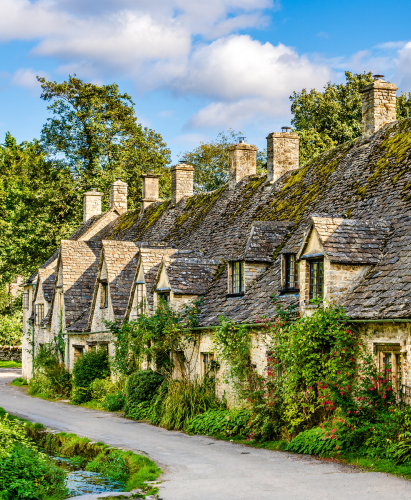
Bibury is an incredibly picturesque village in the Cotswolds. It's home to Arlington Row - a ~1380's monastic wool store (which were later converted into weavers cottages in the 17th century) with a famous story attached, where Henry Ford tried to purchase the row of cottages, dismantle them and ship them to America. This caused a lot of protest of course, and the Royal Society of Arts thankfully stepped in to purchase the row in 1928 in order to prevent the move.
These days, Arlington Row is now owned by the National Trust, and it's one of the most photographed streets in all of England. It's an easy stroll, but the Cotswolds has a habit of feeling cooler than it looks, so a lightweight layer is worth bringing along.
4. Walk Between Upper and Lower Slaughter
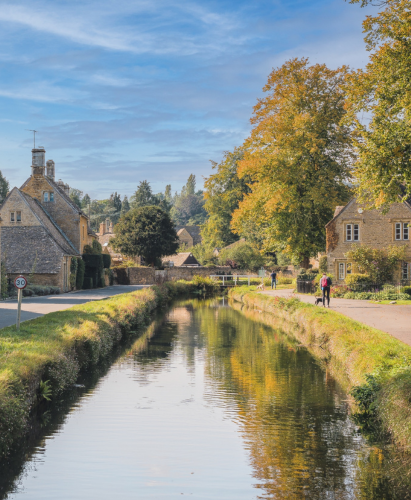
Upper and Lower Slaughter are two villages which are just a mile apart, connected by a footpath along the River Eye - and despite the name, there's nothing macabre about them.
Upper Slaughter is one of only 51 'Thankful Villages' in England, where every WWI serviceman returned home. It's also one of 14 'Doubly Thankful Villages' as Upper Slaughter went on to suffer zero deaths in WWII either, which is exceptionally rare. Meanwhile, Lower Slaughter is home to a Victorian flour mill still standing on the river, and an old manor house turned luxury hotel.
The Slaughters are also reasonably close (roughly 5-6 miles) from Bourton-on-the-water, with a circular walk available between the two.
5. Chipping Campden and Broadway Tower
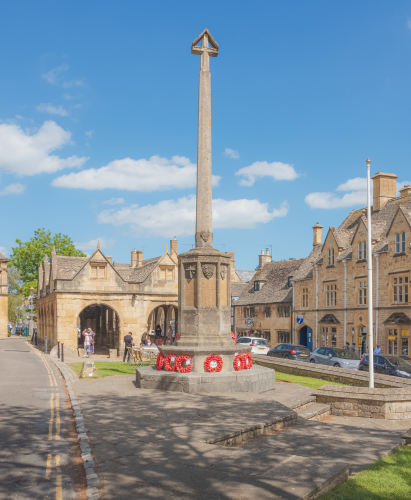
Chipping Campden is one of the best-preserved market towns in the Cotswolds. It received its market charter during the late 12th century by King Henry II, and was one of the wealthiest market towns in the medieval era thanks to the successful wool trade.
On a visit here, you'll be able to soak in the history of the historic wool merchants' high street, visit Grevel House (built by William Grevel, a famous wool trader) and Market Hall. Broadway Tower is also worth a visit (albeit this is a short drive away) which offers views across 16 counties on a clear day, and can be visited as part of walking the Cotswold Way.
6. Visit Diddly Squat Farm Shop
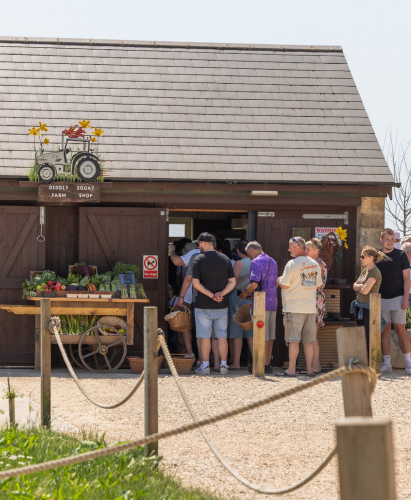
If you've watched Clarkson's Farm, then you'll know all too well about Diddly Squat Farm Shop. Located near Chipping Norton, TV star Jeremy Clarkson's farm shop is a pilgrimage for Top Gear and Grand Tour fans to see the fruits of Clarkson's farming labour first-hand. Just be wary that the shop can be very busy, with lots of traffic in the area; though if you are driving, The Farmer's Dog is also available to visit within 30 minutes.
Whilst you're around Chipping Norton, you can also visit the Rollright Stones, one of the most famous stone circles in the British Isles, believed to date all the way back to 3000BC.
7. Explore Castle Combe
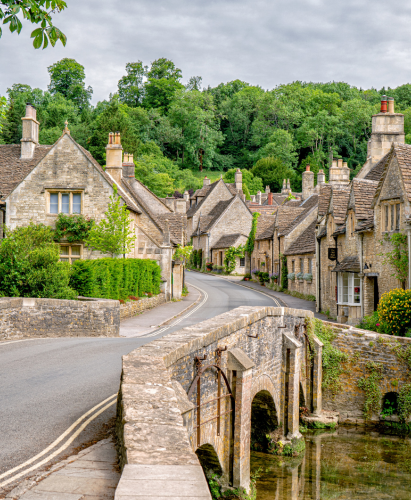
Castle Combe is one of the most iconic villages in the Cotswolds, and it's often cited as the prettiest village in England. There are no modern features visible from the main street - no road markings or electricity pylons - the village has thankfully maintained its historic looks. However, there's no parking towards the lower village. Instead, you'll have to use the main visitor car park at the top of the hill on Dunns Lane and walk from there. Being an incredibly popular destination, it's best to arrive early to avoid any disappointment and to beat the crowds.
In terms of things to do, you can visit the stone river bridge (over the River Bybrook) for the famous postcard view and a great Instagram post. Check out the 14th-century Market Cross at the village square, or have a wander around St Andrew's church. On the outskirts, there's also an old-school motorsport circuit built on a WWII airfield.
8. Winchcombe and Sudeley Castle
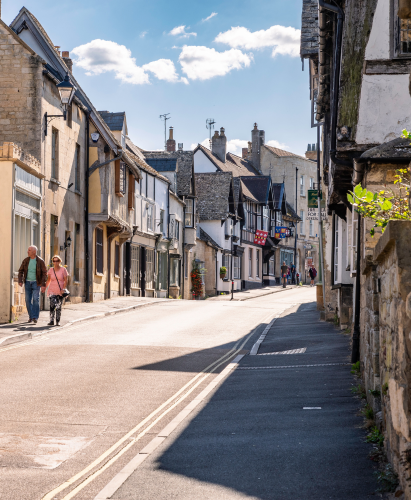
Winchcombe is one of the more underrated towns in the Cotswolds, at least, there are certainly fewer crowds than Bourton. It's a historic market town and it's a great place to experience a more authentic part of the area, which is home to Sudeley Castle - the burial place of Queen Katherine Parr, the sixth wife of Henry VIII, who died here in 1548.
Fun fact: Sudeley Castle is the only private castle in England with a queen buried in its grounds.
For us outdoorsy folks, Winchcombe is also known as the walking capital of the Cotswolds, and it's another destination along the Cotswold Way. Routes nearby include Belas Knap (a neolithic long barrow), Cleeve Hill and their very own 42-mile Winchcombe Way.
9. Cirencester - The Cotswolds' Roman Capital
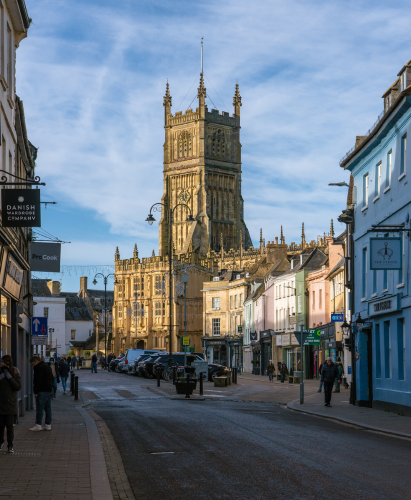
Voted by Time Out as the 5th best place to visit in the UK and one of the best places to visit in the entire world, Cirencester is known as the capital of the Cotswolds, and after London (or Londinium) it's the second-largest Roman city in Britain, known in Roman times as Corinium. If you want to learn more about Cirencester's heritage, Corinium Museum has one of the best Roman collections outside of London, featuring old mosaics and archaeological finds.
Other attractions include a Roman Amphitheatre and St. John the Baptist Church, but another great reason to visit Cirencester is for the food and shopping experience. There are regular craft and farmers markets with street food vendors throughout the months, there's also the historic Blackjack Street, which is home to lots of independent shops, cafes and bakeries.
10. Cleeve Hill - The Highest Point in the Cotswolds
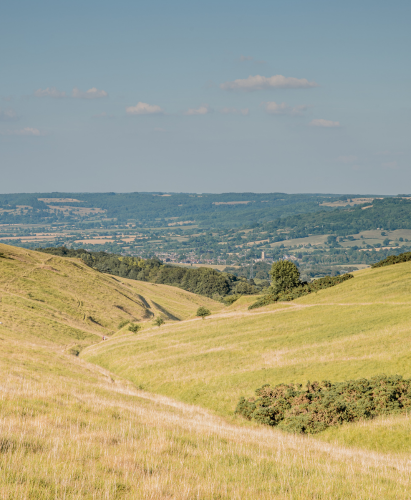
Standing at 330m, Cleeve Hill is the highest point in the Cotswolds AONB, and yet another destination on the Cotswold Way. The views stretch across Cheltenham and the Severn Vale, and on a clear day you can see into Wales. It's open common land, so no entry fee, just open hillside. The escarpment drops sharply to the west, which makes the views feel bigger than 330m has any right to produce, and at golden hour it's one of the best sunset spots in the region. Being exposed on the ridge, the weather can change quickly, so it's worth packing a waterproof jacket even on days that start clear.