
The UK Litter Crisis
Unfortunately, litter is a major problem in many parts of the UK. From town centres to beaches and rural beauty spots, a whole range of environments are being spoiled by discarded rubbish.
Ahead of the Great September Clean, an event organised by the charity Keep Britain Tidy that more than 680,000 people have pledged to take part in, we’ve put together the following information and stats to highlight the huge problem of litter today.

The amount of litter dropped
in the UK every second...
According to Keep Britain Tidy, which exists to try to eliminate litter and end waste, two million pieces of rubbish are dropped every day across the country. This means that 23 items of rubbish are dropped every second on average.
Not just an eyesore
The items that people most commonly discard range from drinks cans and bottles to food packaging, sweet wrappers and cigarette butts. As well as being an eyesore, this rubbish can have a serious impact on people and the environment. Keep Britain Tidy notes that street cleaning costs taxpayers more than £1 billion every year, so littering hits us all in the pocket. There is also the effect on animals to consider. The RSPCA receives an average of 14 calls a day about wildlife harmed by litter, and the organisation suggests that the actual number of animals affected by rubbish is likely to be much higher. Many items of litter are plastic, meaning they will take many decades or even centuries to biodegrade. These pieces of rubbish often end up in the oceans, where they can harm sea life and contaminate ecosystems.
What you can do to help
Local authorities have the power to issue Fixed Penalty Notices to people if they catch them littering, but what can you do on a personal level to help tackle this problem? Apart from always using bins when you’re out and about, or taking your rubbish home with you if no bins are available, you can get involved in organised litter picks like the Great September Clean. You could also get into the habit of picking up items of rubbish in your local area on a regular basis when you’re out breaking in your new walking boots or walking the dog. And if you see big accumulations of litter in public places, it’s a good idea to report this to your local council.
A mountain of cigarette butts...
Figures cited by Keep Britain Tidy suggest that approximately 30 per cent of litter in the UK is smoking-related. Every year, a staggering 244 million cigarette butts are discarded as litter. To put this in context, we’ve compared the height that these cigarette butts would come to if stacked on top of each other to the height of Ben Nevis, the UK’s tallest mountain.
-
4,692,308 cigarette butts are irresponsibly disposed of every week
 Height of a cigarette butt = 8mm
 Ben Nevis = 168,125 cigarette butts
-
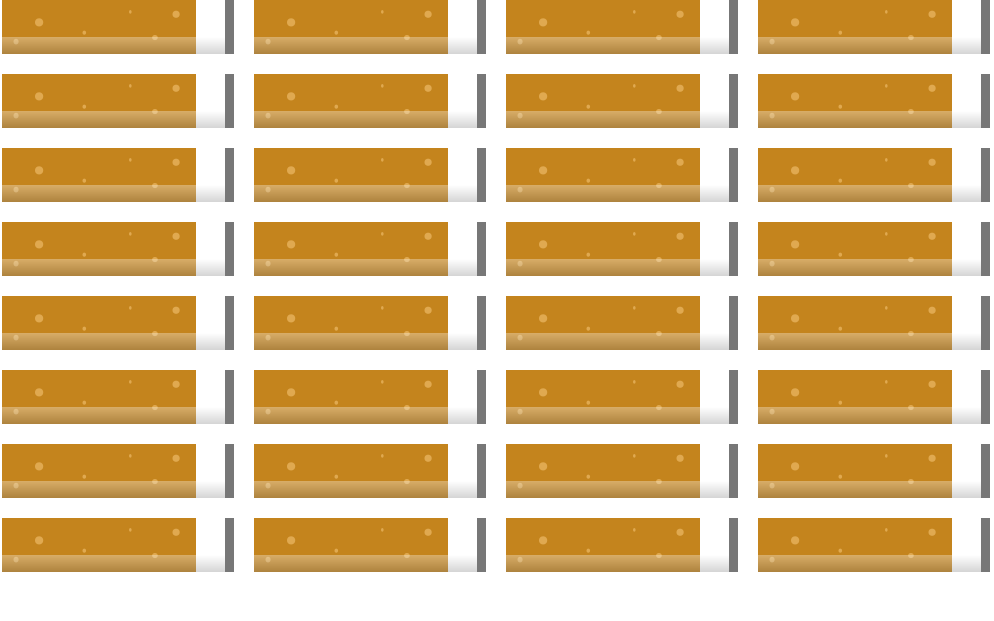
4,692,308 ÷ 168, 125 = 28 Ben Nevis's
-
If 244 million cigarette butts are irresponsibly disposed of every year, this equates to 4,692,307.69 per week. Stacked on top of each other, these cigarette butts would tower as high as 37,538.46m - which is 27.9 times the height of Ben Nevis.
Per month, enough cigarette butts are dropped to equal over 120 times the height of this imposing Scottish mountain, while per year the figure is more than 1,451 times the height of Ben Nevis.
10 most common types of litter
Smoking-related litter may be the most common type of discarded rubbish in the UK, but there are many other kinds that also often appear on streets, in parks, on beaches and elsewhere. According to the most recent Local Environmental Quality Survey of England carried out by Keep Britain Tidy, here are the 10 types of litter found in the highest percentages of sites it examined:
Smoking-related litter 79%

Confectionery packs 60%

Non-alcoholic drinks related 52%

Fast food-related 33%

Alcoholic drinks related 25%

Packaging 25%

Snack packs 20%
Vehicle parts 14%

Discarded food/drink 12%

Clothing 11.8%

Litter may be a major problem in the UK, but organisations such as Keep Britain Tidy are trying to turn the tide and address this crisis. You can do your bit by taking part in both organised and spontaneous litter picks, and by spreading the word about the importance of this issue. To get more people talking about this crucial topic, share your thoughts on social media using the hashtag
#UKLitterCrisis.